Warning Signs of Hidden Water Damage Behind Walls and Exterior Surfaces
June 23, 2026You should be alert to several warning signs of hidden water damage behind walls and exterior surfaces. Look for increased humidity levels and musty odors, which often indicate moisture buildup. Check for water stains or discoloration on walls, as well as peeling paint and sagging insulation. Soft or mushy drywall is a critical sign of severe issues. Outside, pay attention to rusty fixtures, foundation cracks, and discoloration around windows. Damaged siding and poor drainage can also allow water intrusion. Addressing these symptoms early can prevent extensive damage, and there’s more to discover about protecting your home.
Common Warning Signs of Hidden Water Damage Inside the Home
The presence of hidden water damage can evoke concern in any homeowner, as early detection is essential in preventing costly repairs down the line. It’s important to be aware of warning signs of hidden water damage that may not be immediately visible. For instance, a sudden increase in humidity levels could indicate moisture buildup behind walls or ceilings.If you’re planning repairs or structural improvements after discovering moisture problems, an experienced custom home builder can also help address underlying construction issues and protect the integrity of the property. You might also notice unexplained musty odors, which often point to mold or dampness lurking unseen.
Consider checking the insulation as well—if it’s wet or appears to be sagging, it’s a red flag. You should monitor the temperature of your walls; if they feel unusually warm or cold to the touch, that could suggest a moisture problem hidden from sight. Additionally, don’t overlook any sudden changes in energy bills; elevated costs may correlate with water running or leaking in hidden areas, causing your HVAC system to work harder. By staying vigilant and recognizing these warning signs of hidden water damage, you can take proactive measures, potentially saving yourself from extensive repairs and health issues associated with mold and structural deterioration.
Identifying moisture problems behind walls and ceilings
Recognizing water stains and discoloration on walls and ceilings is an important step in identifying concealed moisture problems. These stains often appear as brown or yellow patches, indicating prolonged exposure to water damage behind walls. It’s vital to pay attention to peeling paint and bubbling surfaces, as these symptoms often signal that moisture is trapped beneath the exterior layers. Soft drywall can indicate severe water damage; if you press on it and it feels mushy or crumbles, there’s likely a significant issue.
Musty odors are another telltale sign of hidden water damage. If you notice a persistent damp smell, it’s advisable to investigate further, as this could mean mold growth behind the walls. Additionally, unexplained increases in humidity levels in your home can suggest that moisture is accumulating somewhere it shouldn’t be.
Combining these indicators allows you to assess the potential for concealed moisture problems in your home. Prompt recognition and action can mitigate further damage and associated costs, ensuring you maintain a healthy living environment and protect your property from the effects of moisture intrusion.
Exterior Clues That May Signal Water Intrusion
Many homeowners might overlook subtle exterior clues that could indicate water intrusion. Observing your home’s exterior attentively can reveal signs of hidden water damage that may escalate into severe issues. One critical indicator is the presence of discoloration or dampness on siding or around windows; these symptoms often suggest moisture seeping from behind. Additionally, if you notice rust stains on metal fixtures, it’s worth investigating, as they may arise from ongoing moisture problems.
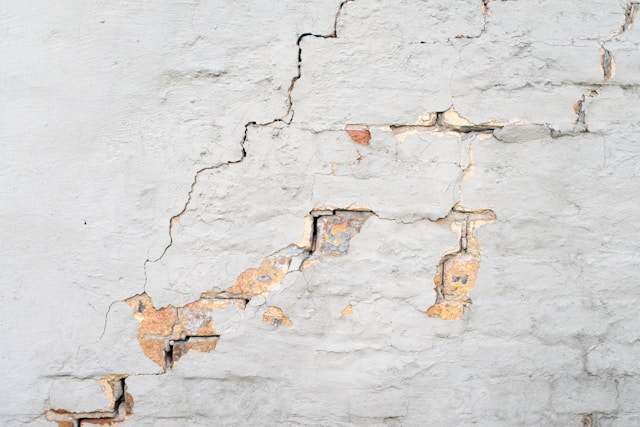
Cracks in the foundation or around doors can also signify water intrusion. These fractures might allow water to infiltrate, leading to significant structural damage over time. You should also be aware of excessive vegetation growth near the foundation, as this can retain moisture and contribute to water issues.
Gutters and downspouts that are clogged or improperly directed often result in water pooling against the foundation. This pooling can increase the risk of hidden water damage that may not be immediately visible. By staying vigilant for these exterior clues, you can mitigate potential moisture issues, ensuring your home remains a safe and healthy environment.
Exploring vulnerabilities that allow water to enter the home
Water can infiltrate your home through various vulnerabilities in its exterior, often leading to significant hidden damage if not addressed promptly. Damaged siding is a primary entry point for water, as it can allow moisture to seep behind the walls undetected. Look for signs of water damage in the form of warped or cracked siding, which indicates weakness.
Deteriorating caulking around windows and doors can also create gaps, letting water through. Similarly, failed window seals may show condensation between panes—indicative of moisture issues.
Rotting trim is another serious concern; if you notice soft wood or flaking paint, it’s likely a sign of prolonged exposure to moisture.
Foundation moisture issues can be equally damaging. Poor drainage or cracks in the foundation can allow groundwater to seep in, causing further deterioration.
These exterior vulnerabilities cumulatively create pathways for water to enter, making it essential to regularly inspect these areas. By addressing issues like damaged siding, caulking, and window seals early, you can prevent further signs of water damage and protect the integrity of your home.
How Hidden Moisture Damages Structural Components
Identifying vulnerabilities in your home’s exterior is just the beginning; hidden moisture can wreak havoc on structural components long before you even see warning signs. Hidden leaks often lead to prolonged exposure to water, degrading essential building materials and creating a cascade of issues. Structural components such as framing, insulation, and drywall can weaken considerably over time if moisture persists.
Consider the following impacts of hidden moisture on your home’s structure:
- Wood rot: Prolonged moisture exposure can cause wooden elements to decay, compromising integrity.
- Mold growth: High humidity levels can foster mold, affecting air quality and causing health issues.
- Insulation damage: Wet insulation loses its effectiveness, leading to increased energy costs.
- Drywall deterioration: Moisture weakens drywall, leading to soft spots and potential collapse.
It’s vital to regularly check for hidden leaks and address any moisture issues promptly. By taking action early, you can prevent extensive damage to your home’s structural components and guarantee its longevity.
Understanding the effects of water damage
The consequences of hidden water damage extend far beyond surface-level issues, fundamentally altering the integrity and safety of your home. When moisture infiltrates framing and insulation, it weakens structural support, leading to potential collapses or costly repairs. Drywall can deteriorate rapidly, losing its load-bearing capacity and providing an ideal breeding ground for mold, which, in turn, affects indoor air quality. Elevated humidity levels in your home can promote respiratory problems and allergies.
Wood structures are particularly vulnerable; they can experience rot and weaken, jeopardizing not just the aesthetics but also the longevity of your property. Additionally, water damage impacts energy efficiency. If insulation is compromised, your heating and cooling systems must work harder, resulting in higher utility bills.
Addressing these issues early through water damage repair is essential for long-term property protection. Ignoring them could lead to extensive damage and significant expenses down the line. As a result, being proactive in identifying and remediating any signs of hidden moisture is vital for maintaining a safe and efficient living environment. Your home’s structural integrity and your family’s well-being depend on it.
Common Sources of Hidden Water Damage Homeowners Overlook
Many homeowners tend to overlook common sources of hidden water damage, which can lead to significant complications if not addressed promptly. One of the most prevalent issues is moisture intrusion from various entry points that might not be readily visible. Identifying these sources early can save you from costly repairs.
Consider the following areas where hidden water damage often originates:
- Improperly sealed windows: Gaps and cracks around window frames can allow moisture to seep in, especially during heavy rain.
- Faulty gutters and downspouts: Water cascading over the edges can erode foundations, leading to moisture buildup in crawl spaces or basements.
- Basement or foundation cracks: Over time, these can develop and facilitate groundwater entry, resulting in prolonged dampness.
- Bathroom and kitchen fixtures: Leaky pipes or fixtures that aren’t correctly installed can contribute to moisture buildup behind walls.
Examining moisture intrusion caused by Western New York weather conditions
Roof leaks, window leaks, and plumbing failures can silently wreak havoc on your home’s structure, especially in regions like Western New York, where unpredictable weather conditions amplify the risk of moisture intrusion. Heavy rain and lake-effect snow can overwhelm roofing systems and exacerbate existing vulnerabilities, leading to significant drywall water damage.
Window leaks often stem from deteriorated seals or improper installations, allowing water to penetrate and accumulate within wall cavities. Plumbing failures, whether from aging pipes or burst fixtures, can create persistent dampness, further encouraging drywall deterioration and mold growth. Siding damage, including cracks or loose panels, also invites moisture intrusion, compromising your home’s exterior barrier.
Drainage problems are particularly concerning; inadequate drainage systems can lead to water pooling around your foundation, increasing the risk of water seeping through basement walls. Similarly, ice dams, a common issue during winter months, can cause water to back up under shingles, resulting in leaks that may not be immediate.
Understanding these issues enables you to detect hidden water damage before it escalates, protecting your home’s structural integrity and ensuring a safe living environment.
Conclusion
With hidden water damage being a pervasive threat to your home, prioritizing early detection and prompt repairs becomes critical. Ignoring the warning signs can lead to significant structural water damage, compromising your home’s integrity and leading to costly repairs. Regular inspections can help you catch issues early, before they escalate.
Consider these key actions to protect your home:
- Monitor for visible water stains or discoloration on walls and ceilings.
- Check your plumbing system for leaks and unusual moisture.
- Inspect windows and doors for seal failures or gaps.
- Verify proper drainage systems are in place to divert water away from your foundation.