
When to Repair vs. Replace: A Homeowner’s Guide to Doors, Windows, and Siding
May 18, 2026Maintaining a home involves constant decision-making, especially when it comes to key exterior components like doors, windows, and siding. These elements not only define a home’s appearance but also play a crucial role in energy efficiency, protection from the elements, and long-term structural integrity. For homeowners in Newfane, where seasonal weather can be demanding, knowing when to repair versus replace these features is essential for protecting both comfort and investment.
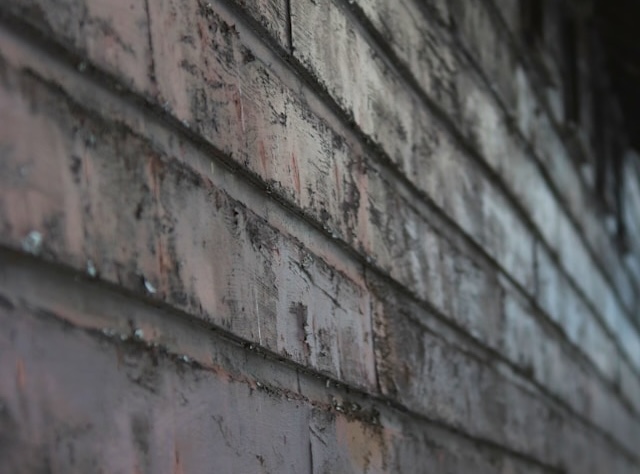
This guide explores the factors that influence these decisions, helping homeowners understand how to evaluate damage, costs, and long-term value.
Why the Repair vs. Replace Decision Matters
At first glance, repairing a damaged feature may seem like the most cost-effective solution. However, short-term savings do not always translate into long-term benefits. In some cases, repeated repairs can cost more over time than a full replacement.
On the other hand, replacing components too early can also be unnecessary and expensive. The key is finding the balance—understanding when a repair will extend the life of a feature and when replacement is the smarter, more sustainable option.
Factors that influence this decision include:
- Age of the material
- Extent of damage
- Energy efficiency performance
- Maintenance history
- Environmental exposure
Each of these factors should be considered carefully before making a final choice.
Evaluating Doors: Functionality and Security
Doors serve as both entry points and protective barriers. Over time, they can experience wear from frequent use, weather exposure, and structural shifts in the home.
When Repair Is Enough
Minor issues can often be resolved without replacing the entire door. Examples include:
- Loose hinges or hardware
- Small cracks or surface damage
- Drafts caused by worn weatherstripping
- Alignment issues affecting closure
In these cases, repairs are typically quick and cost-effective, restoring functionality without significant investment.
When Replacement Is the Better Option
Replacement becomes necessary when problems affect the door’s overall performance or safety. This may include:
- Warping that prevents proper sealing
- Significant structural damage
- Persistent air leaks despite repairs
- Outdated materials that lack insulation
Upgrading doors can improve security, reduce energy loss, and enhance curb appeal, especially in climates with temperature fluctuations.
Windows: Energy Efficiency and Comfort
Windows are one of the most important factors in a home’s energy performance. They regulate airflow, natural light, and insulation.
Signs That Repairs Are Sufficient
Some window issues can be addressed without full replacement, such as:
- Broken seals that can be resealed
- Minor frame damage
- Hardware malfunctions (locks, latches)
- Small air leaks that can be sealed
These fixes can extend the life of windows while maintaining functionality.
Indicators That Replacement Is Needed
In many cases, replacing windows provides significant long-term benefits. Consider replacement if:
- There is condensation between glass panes
- Frames are rotting or deteriorating
- Windows are difficult to open or close
- Energy bills are increasing due to poor insulation
Modern window designs offer improved insulation, noise reduction, and durability, making them a valuable upgrade for older homes.
Siding: Protection Against the Elements
Siding acts as the first line of defense against weather conditions. In areas like Newfane, siding must withstand snow, rain, wind, and temperature changes throughout the year.
When Repairs Are Appropriate
Localized damage can often be repaired without replacing the entire siding system. Examples include:
- Small cracks or holes
- Loose or missing panels
- Minor water damage
- Fading or cosmetic wear
Timely repairs can prevent these issues from spreading and preserve the overall structure.
When Replacement Is Necessary
Replacement is often the better choice when siding issues are widespread or severe. Signs include:
- Extensive warping or buckling
- Mold, mildew, or rot beneath the surface
- Frequent need for repairs
- Reduced insulation performance
New siding materials can improve weather resistance, energy efficiency, and overall home value.
Comparing Repair vs. Replacement
To simplify decision-making, the table below outlines key considerations for each option:
| Factor | Repair | Replacement |
|---|---|---|
| Cost (Short-Term) | Lower initial expense | Higher upfront investment |
| Cost (Long-Term) | May increase with repeated fixes | Often more cost-effective over time |
| Time Required | Quick and minimal disruption | Longer process |
| Energy Efficiency | Limited improvement | Significant improvement possible |
| Lifespan Extension | Short to moderate | Long-term solution |
| Aesthetic Impact | Maintains current look | Opportunity for updated appearance |
| Structural Integrity | Suitable for minor issues | Necessary for major or widespread damage |
Climate Considerations in Newfane
The local climate plays a major role in how doors, windows, and siding perform over time. In Newfane, seasonal changes bring a mix of cold winters, moisture, and occasional storms.
These conditions can accelerate wear and expose weaknesses in older materials. For example:
- Freezing temperatures can cause materials to contract and crack
- Moisture can lead to rot or mold growth
- Wind can loosen siding or damage window seals
Because of these factors, homeowners should regularly inspect their home’s exterior and address issues promptly.
Budget vs. Long-Term Value
Budget constraints are often a deciding factor, but focusing solely on immediate costs can be misleading. While repairs are generally less expensive upfront, they may not address underlying issues.
Replacement, though more costly initially, can provide:
- Lower energy bills
- Reduced maintenance needs
- Increased property value
- Improved comfort and durability
Balancing budget considerations with long-term benefits is key to making a sound decision.
The Importance of Professional Assessment
While homeowners can identify obvious signs of damage, a professional evaluation provides a more accurate understanding of the situation. Experienced contractors like Wagner Built Construction can assess structural integrity, identify hidden issues, and recommend the most appropriate course of action.
Professional insights help ensure that decisions are based on facts rather than guesswork, reducing the risk of costly mistakes.
Planning for the Future
Whether choosing repair or replacement, planning ahead is essential. Regular maintenance, inspections, and timely upgrades can extend the life of home components and prevent unexpected expenses.
Homeowners should consider:
- Scheduling routine inspections
- Addressing minor issues before they escalate
- Investing in durable, weather-resistant materials
- Keeping records of repairs and upgrades
These practices contribute to a more resilient and efficient home over time.
Final Thoughts
Deciding whether to repair or replace doors, windows, and siding is a common challenge for homeowners. Each situation is unique, and the right choice depends on factors such as damage severity, age, cost, and long-term goals.
In regions like Newfane, where environmental conditions can accelerate wear, making informed decisions is especially important. By carefully evaluating each component and seeking professional guidance when needed, homeowners can protect their investment, enhance comfort, and ensure their home remains strong and functional for years to come.